

Chinese AI video factory; Claude connectors for creative software; and two wins for creators on AI training rights | #5
The weekly AI briefing for artists, designers, filmmakers, and anyone who creates.

AI is moving fast. Diffusia is your weekly cheat sheet, curated for artists & creatives.
Hi folks. For the week of May 10, we’ll be looking at a Chinese video factory, Claude showing up in your favorite creative software, a Google event worth watching, and an economist who thinks human creativity is about to get more valuable.

🎬 China is making 470 AI films. Per day.
In January 2026, a new AI-generated short drama went live on a Chinese streaming platform every 90 seconds — over 470 titles a day, up from virtually zero two years ago. AI titles now make up 38% of the top 100 micro-drama chart, with a full-AI cast; human actors report casting calls dropping from 20 a day to once every few days. One studio converted its entire staff to AI workflows and stopped hiring performers entirely.
The tools driving it: ByteDance’s Seedance 2.0, Kuaishou’s Kling 3.0, and Vidu. The genres winning with AI: mythological fantasy and historical epics. The genres still fighting back: anything requiring emotional nuance or a specific human face.
This is the first mass commercial deployment of AI video at industrial scale, and it’s not in a lab — it’s on streaming platforms with billions of viewers. The question isn’t whether this comes West. It’s when.
📎 The Next Web · Hello China Tech deep dive

🔌 Claude just connected to your creative software
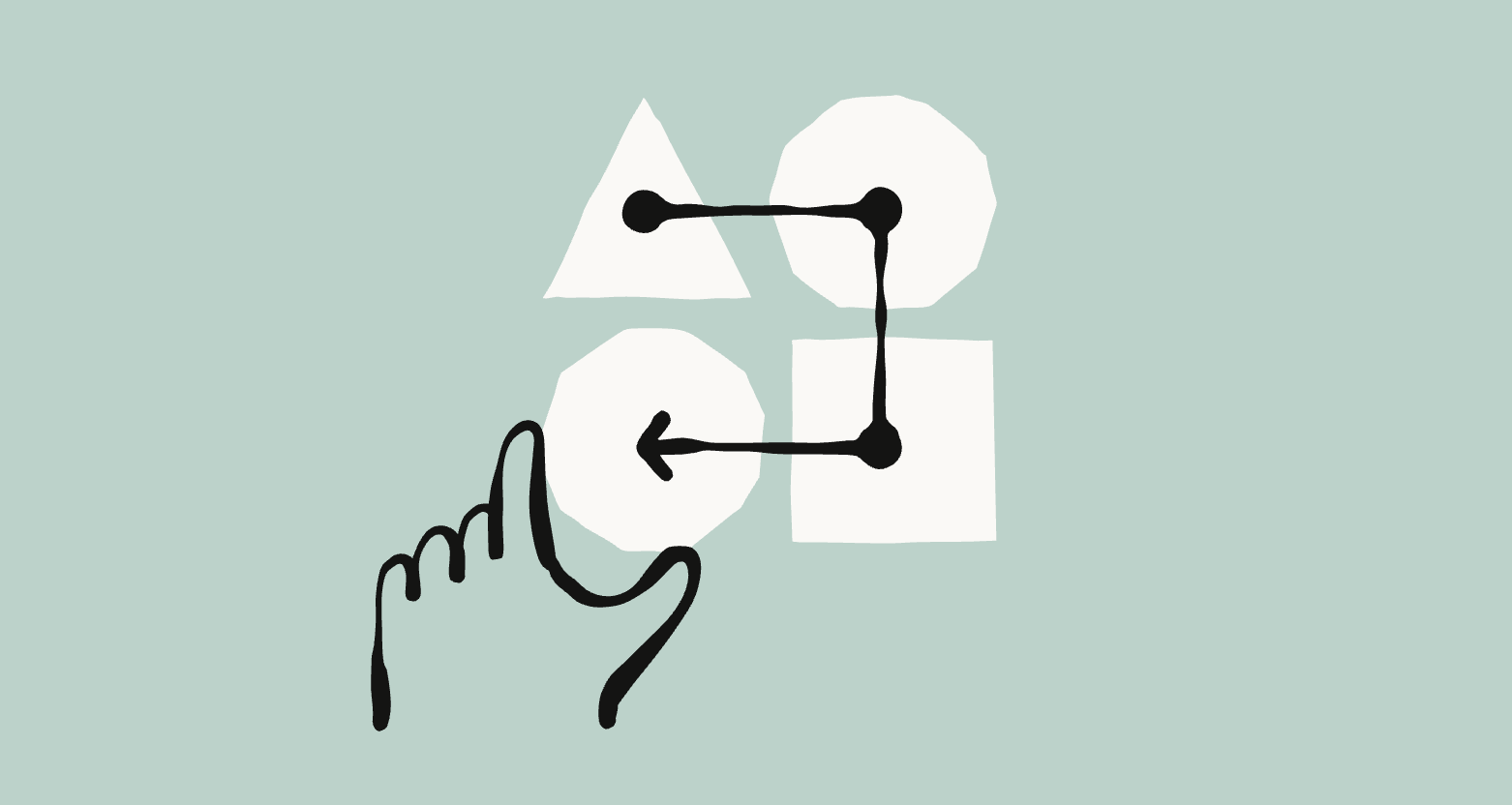
Anthropic launched Claude for Creative Work on April 28 — a set of connectors that plug Claude directly into tools you already use. The lineup includes Adobe Creative Cloud (Photoshop, Premiere, Express), Ableton Live, Blender, Affinity by Canva, SketchUp, Autodesk Fusion, Resolume (for VJs), and Splice’s sample library.
Practically: describe what you want in plain language, Claude does it inside the tool. Batch edits, custom scripts, 3D model generation, real-time VJ control. Anthropic is also partnering with RISD, Ringling, and Goldsmiths on AI-integrated curricula.
This is the most creatives-first product release from a major AI lab in a while. Worth exploring.
📎 anthropic.com/news/claude-for-creative-work
📅 Google I/O is next week — watch this
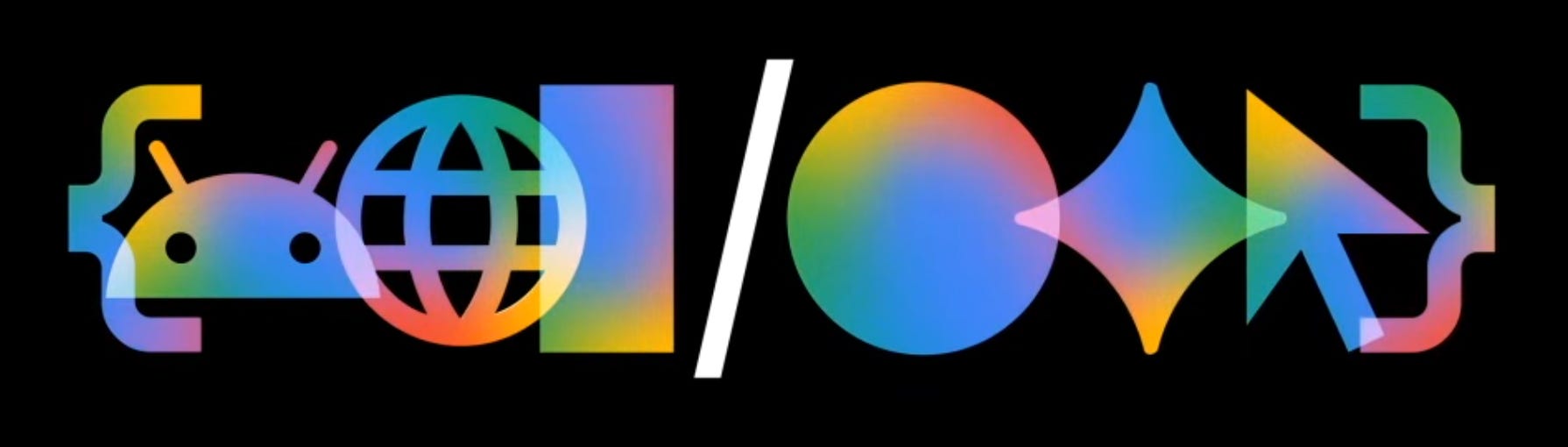
Google I/O kicks off May 19–20. What’s expected for creatives: Veo 4 (4K video, up to 30-second clips, with storyboarding — plan multi-scene sequences before generating), Lyria 3 Pro (3-minute full tracks with vocals — a complete song, not a loop), and deeper Gemini integration across Workspace and creative apps.
Stream live at io.google, May 19 at 10am PT.
⚖️ Two wins for creators on AI training rights
In the US, Congress introduced the bipartisan TRAIN Act — giving copyright holders access to AI training records so they can find out if their work was used without permission or compensation. Modeled after internet piracy law, it’s backed by the American Federation of Musicians and the Copyright Clearance Center. Still a bill, not law — but it has rare bipartisan support.
In the UK, the government scrapped plans that would have let AI companies train on copyrighted music without permission. The proposal was crushed: 95% of 10,000+ public submissions said AI companies should need licenses first. Elton John, Dua Lipa, Thom Yorke, and Björk all campaigned against it.
📎 TRAIN Act — Dean.house.gov · UK U-turn — Silverman Sound
📝 AI populism is getting political — and creatives are in the crossfire
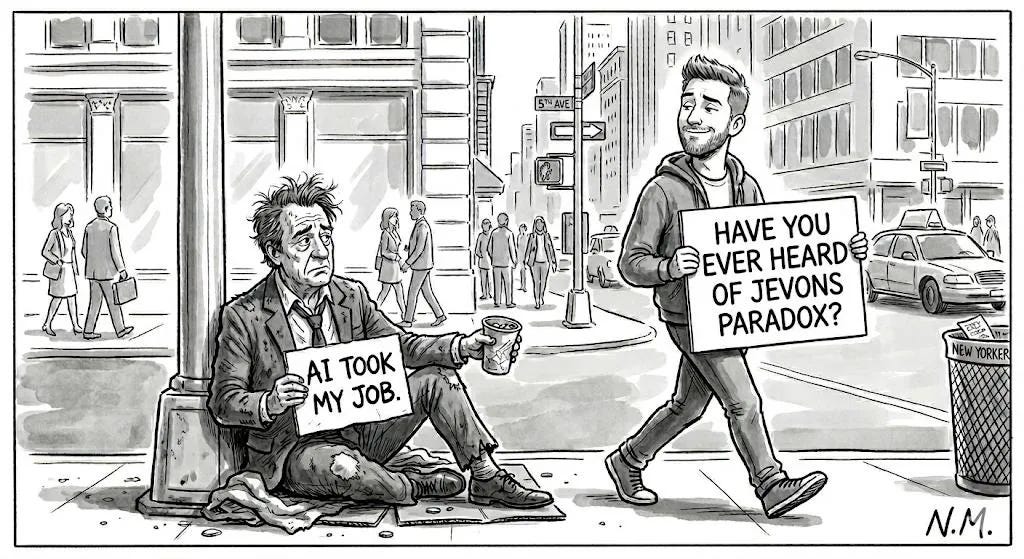
Jasmine Sun’s essay tracks the rise of what she calls “AI populism” — treating AI not as a tool but as an elite political project to resist. For creatives specifically: the social pile-ons, platform bans, and professional blacklisting of anyone seen as too close to AI tools. Meanwhile, young creative workers watch their commissions and staff jobs quietly disappear. The gap between “AI will augment you” and the lived reality is where the anger lives.
🛠️ Tool of the week // Lovable
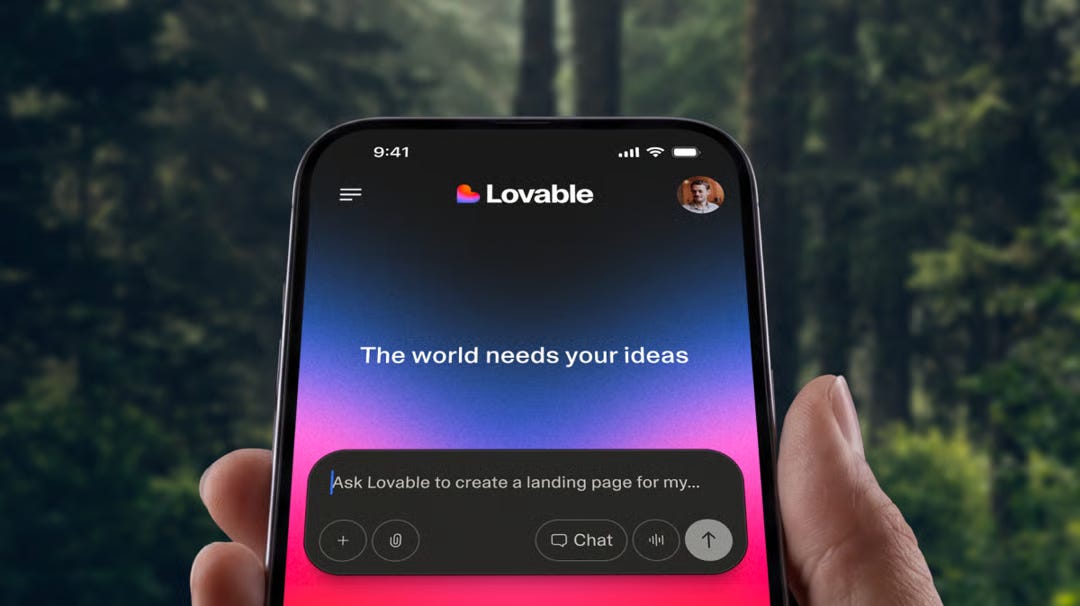
No-code AI app builder — describe what you want to build (portfolio, tool, interactive experience), and Lovable builds a working web app from your prompt. Now on iOS and Android, so you can start projects on your phone. Great for creatives who’ve always had ideas that needed a developer.
🎨 Artist spotlight // Sofia Crespo
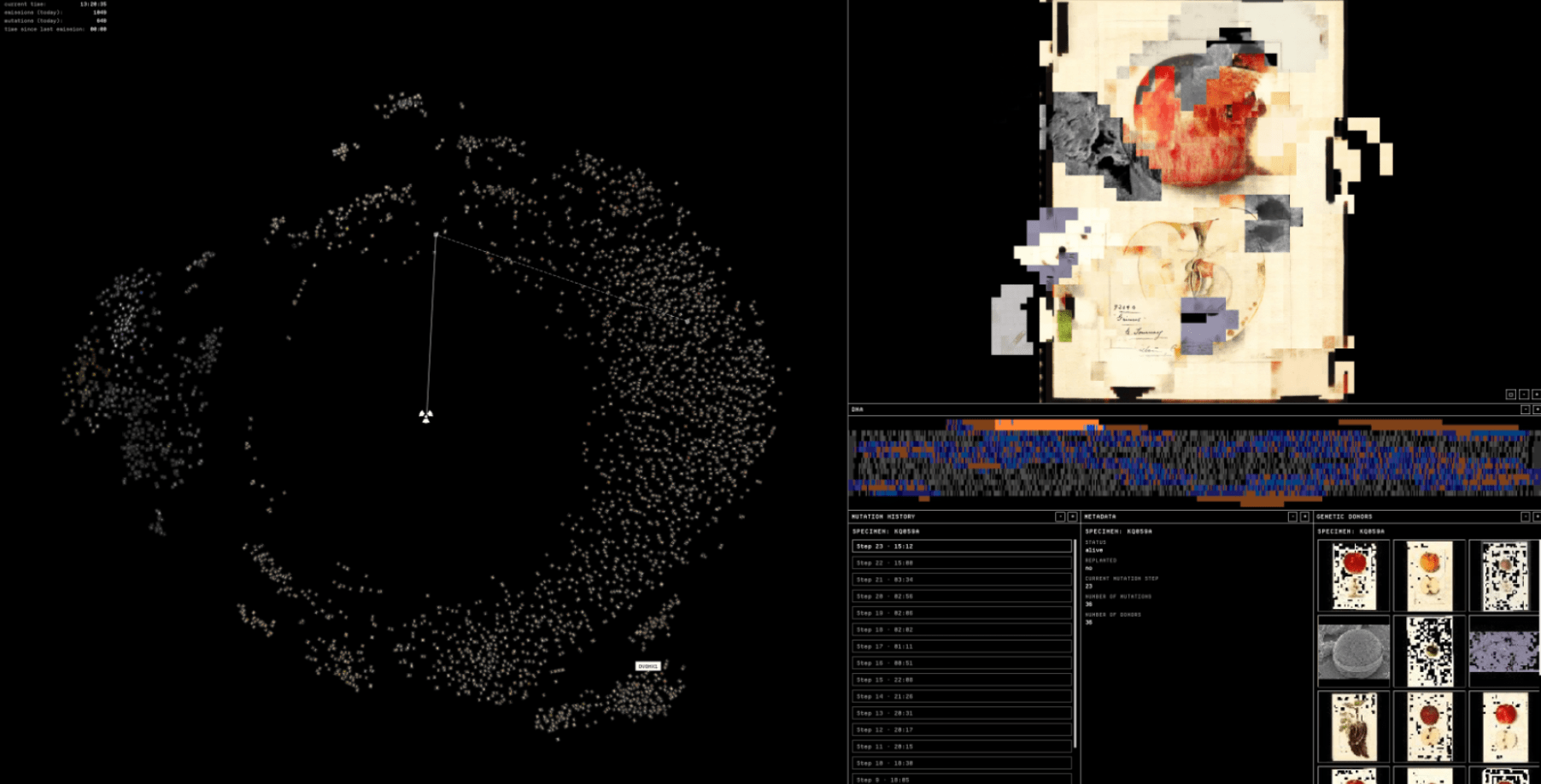
Argentine digital artist Sofia Crespo routes AI outputs through custom neural-style pipelines to produce “bio-digital forms” — uncanny hybrids sitting between scientific illustration and speculative organism design. She treats the model as a co-improviser, not a generator. The results feel genuinely strange in a way that clearly came from a human.
📎 @sofiacrespo · entangledothers.studio
💭 Worth reading // “What Will Be Scarce?”
Economist Alex Imas argues that when AI commoditizes production, scarcity doesn’t disappear — it relocates to provenance, presence, and human irreplaceability. His finding: AI involvement in a product dramatically reduces willingness to pay, because people perceive AI-made goods as inherently reproducible, which kills the scarcity that drives desire. For creative work, the implication is either reassuring or infuriating, depending on your mood.
📎 aleximas.substack.com · Fortune coverage
That’s the week. See you next Sunday.
— Ari 🪞
Week of June 29: Anthropic wins big; AI-powered dream visualizer; an AI band racks up 450,000 monthly listeners in 2 weeks
Welcome to Diffusia. Every Sunday, I curate a selection of AI news, inspiration, and experiments – specifically tailored for artists & creatives.
Hi — big week. A Chinese video factory, Claude showing up in your favorite creative software, a Google event worth watching, artists fighting for the right to be forgotten, and an economist who thinks human creativity is about to get more valuable. Let’s go.
🎬 China is making 470 AI films. Per day.
In January 2026, a new AI-generated short drama went live on a Chinese streaming platform every 90 seconds — over 470 titles a day, up from virtually zero two years ago. AI titles now make up 38% of the top 100 micro-drama chart, with a full-AI cast; human actors report casting calls dropping from 20 a day to once every few days. One studio converted its entire staff to AI workflows and stopped hiring performers entirely.
The tools driving it: ByteDance’s Seedance 2.0, Kuaishou’s Kling 3.0, and Vidu. The genres winning with AI: mythological fantasy and historical epics. The genres still resisting: anything requiring emotional nuance or a specific human face.
This is the first mass commercial deployment of AI video at industrial scale, and it’s not in a lab — it’s on streaming platforms with billions of viewers. The question isn’t whether this comes West. It’s when.
📎 The Next Web · Hello China Tech deep dive
🔌 Claude just connected to your creative software
Anthropic launched Claude for Creative Work on April 28 — a set of connectors that plug Claude directly into tools you already use. The lineup includes Adobe Creative Cloud (Photoshop, Premiere, Express), Ableton Live, Blender, Affinity by Canva, SketchUp, Autodesk Fusion, Resolume (for VJs), and Splice’s sample library.
Practically: describe what you want in plain language, Claude does it inside the tool. Batch edits, custom scripts, 3D model generation, real-time VJ control. Anthropic is also partnering with RISD, Ringling, and Goldsmiths on AI-integrated curricula.
This is the most creatives-first product release from a major AI lab in a while. Worth exploring.
📎 anthropic.com/news/claude-for-creative-work
📅 Google I/O is next week — watch this
Google I/O kicks off May 19–20. What’s expected for creatives: Veo 4 (4K video, up to 30-second clips, with storyboarding — plan multi-scene sequences before generating), Lyria 3 Pro (3-minute full tracks with vocals — a complete song, not a loop), and deeper Gemini integration across Workspace and creative apps.
Stream live at io.google, May 19 at 10am PT.
⚖️ Two wins for creators on AI training rights
In the US, Congress introduced the bipartisan TRAIN Act — giving copyright holders access to AI training records so they can find out if their work was used without permission or compensation. Modeled after internet piracy law, it’s backed by the American Federation of Musicians and the Copyright Clearance Center. Still a bill, not law — but it has rare bipartisan support.
In the UK, the government scrapped plans that would have let AI companies train on copyrighted music without permission. The proposal was crushed: 95% of 10,000+ public submissions said AI companies should need licenses first. Elton John, Dua Lipa, Thom Yorke, and Björk all campaigned against it.
📎 TRAIN Act — Dean.house.gov · UK U-turn — Silverman Sound
🌊 AI populism is getting political — and creatives are in the crossfire
Jasmine Sun’s essay tracks the rise of what she calls “AI populism” — treating AI not as a tool but as an elite political project to resist. For creatives specifically: the social pile-ons, platform bans, and professional blacklisting of anyone seen as too close to AI tools. Meanwhile, young creative workers watch their commissions and staff jobs quietly disappear. The gap between “AI will augment you” and the lived reality is where the anger lives.
🛠️ Tool of the week: Lovable
No-code AI app builder — describe what you want to build (portfolio, tool, interactive experience), and Lovable builds a working web app from your prompt. Now on iOS and Android, so you can start projects on your phone. Great for creatives who’ve always had ideas that needed a developer.
🎨 Creative spotlight: Sofia Crespo
Argentine digital artist Sofia Crespo routes AI outputs through custom neural-style pipelines to produce “bio-digital forms” — uncanny hybrids sitting between scientific illustration and speculative organism design. She treats the model as a co-improviser, not a generator. The results feel genuinely strange in a way that clearly came from a human.
📎 @sofiacrespo · entangledothers.studio
💭 Worth reading: “What Will Be Scarce?”
Economist Alex Imas argues that when AI commoditizes production, scarcity doesn’t disappear — it relocates to provenance, presence, and human irreplaceability. His finding: AI involvement in a product dramatically reduces willingness to pay, because people perceive AI-made goods as inherently reproducible, which kills the scarcity that drives desire. For creative work, the implication is either reassuring or infuriating, depending on your mood.
📎 aleximas.substack.com · Fortune coverage
That’s the week. See you next Sunday.
— Ari 🪞
Forwarded this? Subscribe here. Seen something I should cover? Hit reply.